How to prepare your dog for board and train in Metro East
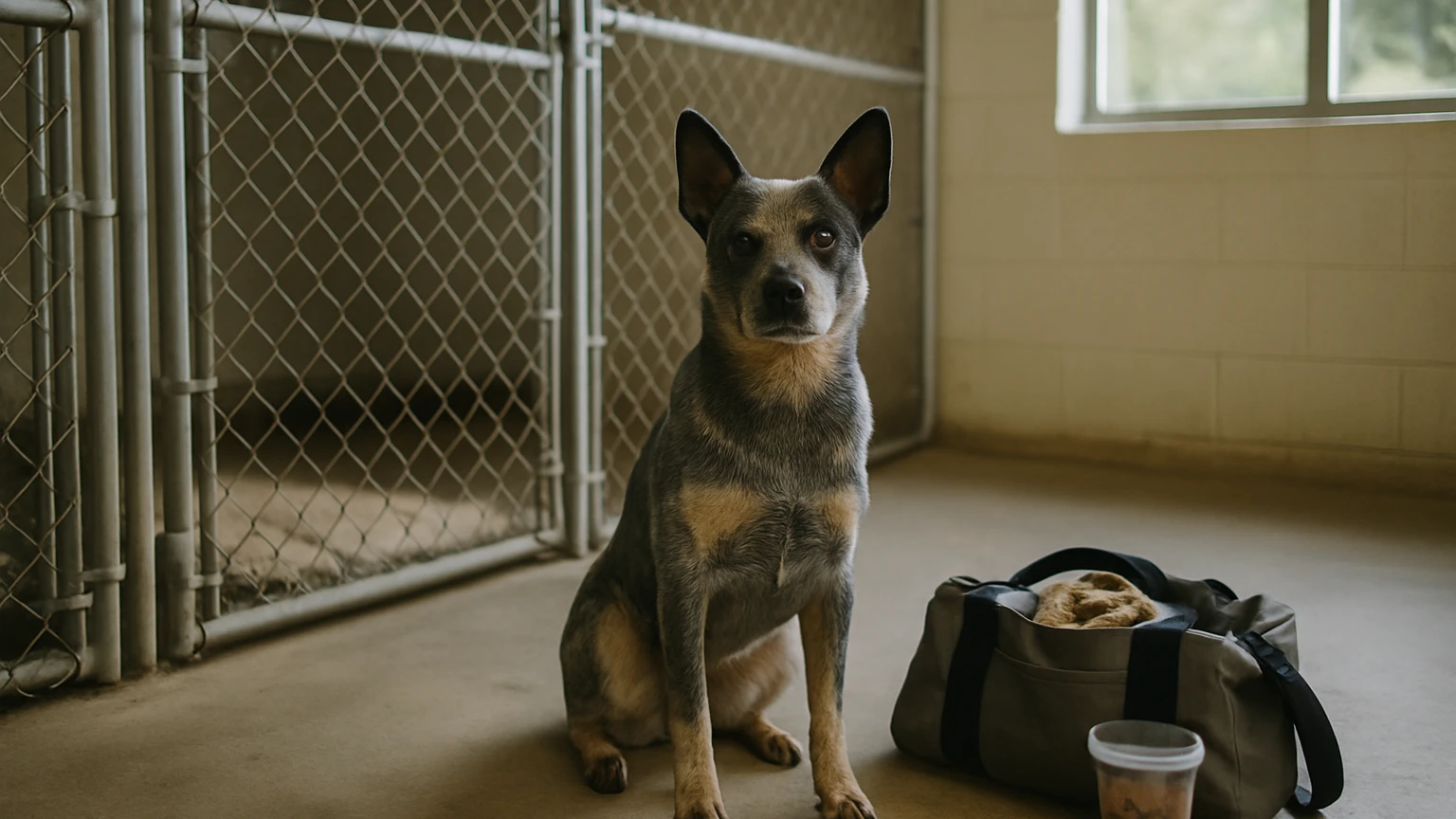
You're ready to fix the pulling, the anxiety, the bad behaviors. You've decided Board and Train is the right call. Now make sure your dog shows up ready to learn.
Most owners send their dogs in unprepared and the first two days get wasted on adjustment. Your dog is stressed, distracted, or dealing with stomach issues because you switched food the night before. That eats into training time and slows progress.
Here's what to do before drop-off so your dog can start learning on day one.
Get the health clearance done early
Your dog needs to be current on vaccinations before any Board and Train program in Metro East. That means rabies, DHPP (distemper, hepatitis, parvovirus, parainflex), and bordetella at minimum. Your trainer will ask for proof, and without it your dog can't start.
Schedule the vet visit two weeks before drop-off, not the day before. If your dog needs a booster or has a health issue the vet wants to monitor, you'll have time to handle it. Bring a copy of the vaccination records with you on drop-off day. Most trainers in Fairview Heights, Belleville, and O'Fallon require written documentation, not your word.
If your dog is on medication for anxiety, allergies, or any other condition, write down the exact dosage and timing. Include your vet's contact information in case the trainer has questions while your dog is in their care. The clearer the instructions, the smoother the stay.
Keep the routine consistent the week before
Dogs pick up on change. If you suddenly shift their feeding time, their walk schedule, or where they sleep, they notice. That stress carries over into the first few days of training.
A week or two before drop-off, stick to consistent feeding, walking, and potty times, and avoid introducing big changes to diet, exercise, or sleep schedule. Your dog's digestive system stays predictable, their mood stays stable, and the trainer can focus on training instead of managing an upset stomach or a nervous wreck.
Don't throw a going-away party. Don't take your dog on a three-hour road trip the day before. Don't invite ten people over to say goodbye. Keep it calm. Keep it normal. Your dog will thank you for it.
Pack what your dog needs, not what makes you feel better
Every Board and Train program will tell you what to bring. Most of the time it's the same short list: enough food for the full stay, any medications with written instructions, a flat collar, a leash, and maybe one comfort item.
Bring enough food for your dog's entire stay, plus a few extra days in case. If you're sending your dog to Marmon Family Dog Training for two weeks, send three weeks of food. Switching food mid-program can cause diarrhea and other digestive problems that derail training.
Send your dog's regular leash and flat collar for transport and comfort, and if your dog is already using a prong collar or e-collar, bring it along. The trainer will evaluate whether those tools fit the program, but having them on hand gives more options.
Skip the ten toys, the fancy bed, and the stuffed animal collection. Your dog doesn't need them. In most cases they're a distraction. One small comfort item is fine. A blanket that smells like home or a single chew toy. That's it.
If your dog takes medication, pack it in a labeled container with clear instructions. Include the vet's phone number. If your dog has food allergies or sensitivities, write that down too. The more information the trainer has, the better they can care for your dog.
Understand what happens after pickup
The training doesn't end when you pick your dog up. Board and Train gets your dog to listen. Your job is to keep it going.
At Marmon Family Dog Training, every Board and Train program includes a handoff session where Aaron shows you exactly what your dog learned and how to use it at home. You'll get videos from the training so you can see what the commands look like when they're done right. That's your reference. Use it.
Your dog will test you the first week home. They'll try the old behaviors to see if the rules still apply. If you let them slide, the training falls apart. If you stay consistent, the behaviors hold.
Practice the commands every day. Not for an hour. Five minutes here, three minutes there. On walks, in the yard, before meals. Your dog needs repetition in the real world, not in the controlled environment where they learned it. That's how the training sticks.
The St. Louis Metro East has noise, other dogs, people walking by, cars, distractions everywhere. Your dog learned to listen through all of it during Board and Train. Now proof it in your own neighborhood. Walk them on Main Street in Edwardsville. Take them to a park in Collinsville. Put the training to work in the places where you'll use it most.
When Metro East families need real training
If your dog's anxiety is making walks miserable, if they won't listen, if the bad behaviors are wearing you down, Board and Train fixes it. Aaron Marmon works with high-energy dogs, high-anxiety dogs, and everything in between at Marmon Family Dog Training in Fairview Heights. You send detailed videos after every session, and the training comes with a lifelong guarantee.
If you've been putting it off because you didn't know how to prepare, now you do. Start your board and train inquiry here.